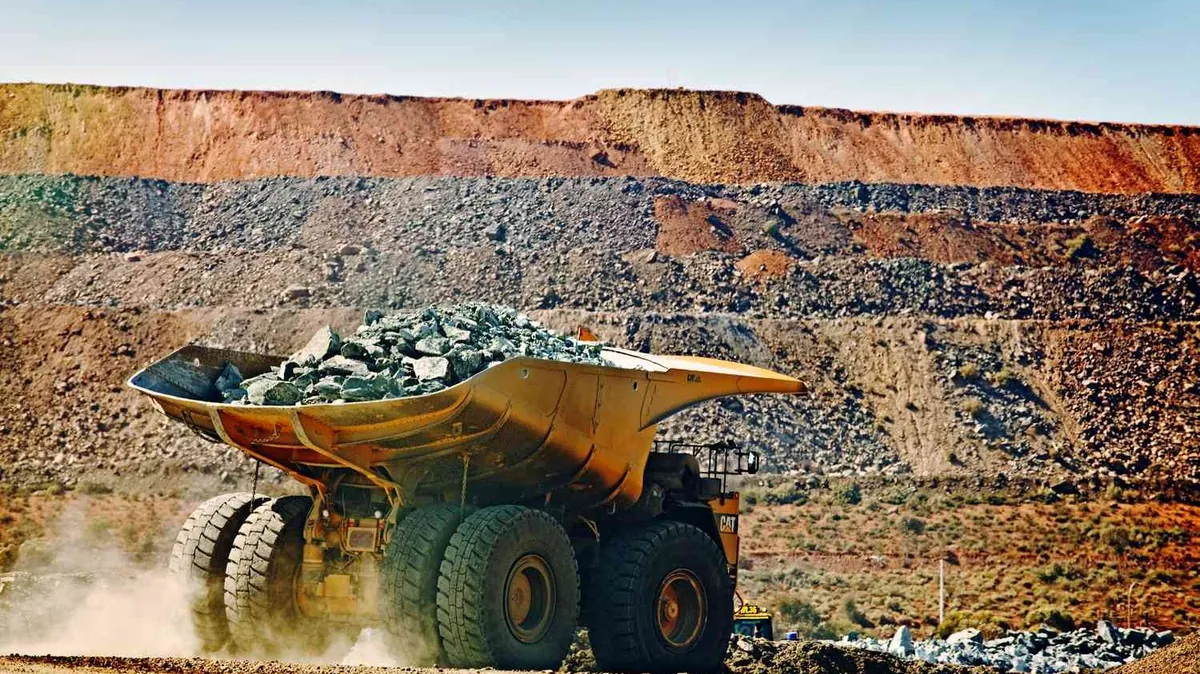
What is a livestock offtake agreement? An offtake agreement commits a herd or feedlot owner to deliver a stated number of animals of a stated class and weight to a licensed processor on a schedule, at a price basis per kilogram liveweight or carcass weight. Movement permits cover each delivery, grading is agreed in writing, and payment moves bank to bank within days of each weighing.

What the law and the regulators require
Livestock movement in Mainland Tanzania needs a movement permit from the district veterinary office under the Animal Diseases Act, Cap. 156, at TZS 2,500 a head for cattle and TZS 1,500 for sheep and goats (register ID F0776). Exports need an export permit at TZS 25,000 a head for cattle and TZS 5,000 for sheep and goats (register ID F0379). Slaughter and processing are regulated under the Meat Industry Act, 2006, through the Tanzania Meat Board, which registers meat traders, processors and abattoirs and sets grading standards. The Tanzania Livestock Research Institute and the Ministry of Livestock and Fisheries publish the breed and feedlot guidance most processors use.
The Ministry's figures for 2024/25 showed meat exports of 9,863 tonnes worth USD 44 million, up 5.75%, reaching Qatar, Oman, Saudi Arabia, the UAE, Kuwait and Vietnam. Licensed processors need steady supply to hold those contracts, which is what an offtake agreement provides.
Who should read this
Owners of herds, feedlots, ranches and grazing land with animals to sell on a schedule. Licensed abattoirs, processors and exporters that need supply they can plan on. Investors looking at feedlot capacity as a joint venture or an offtake-backed project through the project participation route. Veterinarians and livestock specialists on the professional panel who check herds for buyers.
What does an offtake agreement contain?
| Clause | What it fixes |
|---|---|
| Product | Species, class (steers, cull cows, goats), breed, age band, minimum liveweight at delivery |
| Quantity and schedule | Head per month, delivery days, tolerance either way |
| Price basis | TZS per kilogram liveweight at the scale, or per kilogram cold carcass weight at a stated dressing percentage; a floor and a ceiling where both sides want one |
| Weighing and grading | Certified scale at the processor or feedlot, grading by the Meat Board standard, right to witness |
| Rejection | Condition, disease, injury; rejected animals returned at whose cost |
| Permits and transport | Who obtains movement permits, who transports, who bears losses in transit |
| Payment | Bank transfer within a stated number of days of each weighing, against the weigh ticket |
| Term and exit | Six to twenty-four months, with notice and a force majeure clause for drought and disease outbreaks |
How is the price basis set?
Liveweight at the scale is the simplest basis: the animal is weighed on arrival after a stated fasting period, and the price per kilogram is applied. Carcass weight pays for yield and rewards finished animals, but it depends on the processor's grading and a dressing percentage agreed in advance, typically between 48% and 55% for cattle depending on breed and finish. Many agreements set a base price reviewed quarterly against a published or agreed reference, with a floor to protect the supplier and a ceiling to protect the processor.
Fursa365 listings state the basis as a band, such as "TZS 4,800 to 5,400 per kilogram liveweight, cattle 350 to 450 kilograms". The matching desk pairs the offer with verified processor requests whose basis overlaps.
What do processors check before signing?
- The supplier's identity and the herd's ownership, with district livestock records where available.
- Vaccination and treatment records, and the district veterinary officer's health status for the area.
- Head count by class and weight, verified by a veterinarian or livestock specialist from the panel.
- Grazing or feedlot tenure: land title, CCRO or lease, and water.
- Capacity to deliver the schedule: breeding stock, feed supply, handling facilities, a loading ramp.
- Movement history and permits for earlier deliveries.
- Bank account in the supplier's name for payment.
What do suppliers check about the processor?
- Meat Board registration and the abattoir's licence and inspection status.
- A certified scale and a published grading sheet.
- Payment record with other suppliers, and a bank reference.
- Export permits and contracts where the processor claims export demand.
- Who pays transport and what happens to animals rejected at the gate.
Fursa365 verifies the processor's request before it is matched: identity, beneficial owners, mandate, and proof of capacity such as a bank letter. The supplier still runs its own checks with its own advocate before signing.
A worked example: 85 finished cattle a month from Monduli
A feedlot in Monduli, Arusha, finishes 85 steers a month at 380 to 420 kilograms. A licensed processor in Arusha with export contracts needs steady supply. After both sign the NDNCA the processor's veterinarian inspects the feedlot and records, and the parties agree a twelve-month offtake: 85 head a month, delivered on two days each month, priced at TZS 5,000 per kilogram liveweight at the processor's certified scale after a twelve-hour fast, with a floor of TZS 4,700 and a quarterly review. Payment within five days of each weighing by bank transfer.
At 400 kilograms average, each delivery of 85 head is 34,000 kilograms, TZS 170 million a month, TZS 2.04 billion a year. Movement permits cost TZS 2,500 a head, TZS 212,500 a month (register ID F0776), obtained by the supplier before each delivery. Transport is the supplier's, with a loss clause for animals injured in transit. The figures are illustrative; prices move with season and demand.
What are the hard-to-spot issues?
- A scale that is not certified, or weighing before the fasting period, which shifts the price by several percent.
- Grading at the processor's discretion with no sheet and no right to witness.
- Animals moved without permits, which exposes both parties at checkpoints and voids insurance.
- A processor with no export permits presenting export demand.
- Disease outbreak quarantine with no force majeure clause.
- Payment "after the processor is paid", which turns supply into credit.
- A deposit requested before the first delivery, which Fursa365 refuses on every lane.
What to do now
- Count and classify the herd with a veterinarian and record weights.
- Gather the records: vaccinations, tenure, earlier movement permits, bank details.
- State the basis as a band: price per kilogram, class, weight range, head per month.
- List the offer on Fursa365 with an end date, or post a request if you are the processor.
- Sign the NDNCA when matched and let the processor's veterinarian inspect.
- Agree the scale, grading and payment days in the offtake drafted by an advocate.
- Obtain movement permits before each delivery and keep the weigh tickets with the invoices.
Key dates
| Item | When |
|---|---|
| Movement permit | Before each movement, from the district veterinary office (register ID F0776) |
| Export permit | Before each export consignment (register ID F0379) |
| Vaccination campaigns | As the district schedules them; records go in the data room |
| Price review | Quarterly, as the agreement states |
| Payment | Within the stated days of each weighing |
How Zatra helps
Zatra Consultants Limited screens the supplier's identity, tenure and records before a listing is shown, and verifies the processor's licence, mandate and capacity before a match. As a client's adviser under a PSFA, Zatra structures the offtake, coordinates the veterinarian and advocate the client chooses, and records completion. The group's livestock company, Zatra Synergy Limited, follows the group conflicts rule whenever it takes part in a match, with disclosure to both sides before the introduction. Zatra does not buy, sell, transport or slaughter animals and does not decide or guarantee any outcome of the Meat Board, a district veterinary office or the Ministry. Zanzibar livestock rules are separate and confirmed by the parties' advocate.
Sources and status
Accurate as at 3 Nov 2026. Figures are from the sources below and from the Zatra government fees register, quoted with their register IDs so they can be checked line by line.
- Animal Diseases Act, Cap. 156. TanzLII, consolidated. Accessed 3 Nov 2026.
- Meat Industry Act, 2006 and Tanzania Meat Board standards. Tanzania Meat Board, 2026. Accessed 3 Nov 2026.
- Ministry of Livestock and Fisheries, movement and export permit fees. Ministry of Livestock and Fisheries, 2026. Accessed 3 Nov 2026.
- Tanzania's meat export volumes rise by 5.75%. Food Business MEA, 3 June 2025. Accessed 3 Nov 2026.
- Tanzania Livestock Research Institute. TALIRI, 2026. Accessed 3 Nov 2026.
- Fursa365 Verification Standard and group conflicts rule. Zatra Consultants Limited, version 2.0, October 2026. Accessed 3 Nov 2026.
- Zatra Tanzania Government Fees Register 2026, agriculture and livestock chapter. Zatra Consultants Limited, 2026 edition. Accessed 3 Nov 2026.
Figures to confirm before you act
- Movement permit TZS 2,500 a head for cattle (register ID F0776)
- Export fee TZS 25,000 a head for cattle (register ID F0379)
- Dressing percentage and price per kilogram, which the parties set in the agreement
General information prepared by the Fursa365 deal desk, Zatra Consultants Limited. It is not legal, tax or investment advice and does not decide or guarantee any authority's outcome. Confirm current rules and fees with the authority named and your own advocate before you act. Mainland Tanzania is described; Zanzibar has separate laws and bodies.
Questions readers ask
Is an offtake agreement a loan or an advance?
No. It is a supply contract paid on delivery. Fursa365 refuses any arrangement that advances money against future animals, because that is credit and outside every lane. Payment follows each weighing.
Who obtains the movement permit?
Usually the supplier, from the district veterinary office before each movement, at TZS 2,500 a head for cattle. The agreement can place it on the processor's transporter instead; either way the permit travels with the animals.
Can a foreign processor sign an offtake?
Yes, through a Tanzanian registered company with the Meat Board registration and the abattoir licence. Export permits are per consignment. Screening verifies the licence and the mandate before a match.
What if drought cuts the herd?
A force majeure clause suspends the schedule for drought, quarantine and disease outbreaks notified by the authorities, with a duty to tell the processor at once. Without it the supplier is in breach; with it the agreement pauses.
Liveweight or carcass weight?
Liveweight is simpler and easier to witness. Carcass weight rewards finish and penalises poor condition, and it depends on the dressing percentage agreed in writing. Suppliers new to a processor often start on liveweight.
Does Fursa365 verify the herd?
Screening confirms identity, tenure and the records offered. A veterinarian or livestock specialist from the professional panel, engaged and paid by the processor, verifies head count, weight and health on site.
Can an investor fund a feedlot against an offtake?
Yes, as equity or a joint venture, never as a loan. The offtake gives the project a buyer; the investor contributes capital or feed against a share of profit. See the project participation page for the permitted structures.
Meat scientist and TALIRI researcher. Livestock production, feedlots and processor supply.